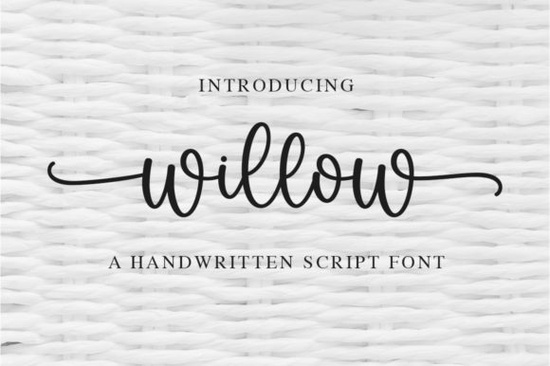
If you're looking for a handwritten font that feels soft, graceful, and quietly confident without being overly fussy or hard to read Willow Font is worth your attention. It’s not flashy, but it’s thoughtfully drawn: each letter flows into the next with gentle curves and subtle contrast, making it ideal for invitations, boutique packaging, wall art, or even small-batch product labels. Designers and crafters who’ve used it often say it strikes a rare balance elegant enough for weddings or luxury branding, yet approachable for everyday creative projects like greeting cards or social media graphics.
What makes Willow work so well in real projects?
First, its spacing and proportions are carefully tuned. Unlike some script fonts that crowd letters together or feel uneven at smaller sizes, Willow keeps breathing room between characters while maintaining rhythm. That means it scales down nicely for things like jar labels or embroidery digitizing and holds up when enlarged for large-format prints like canvas banners or chalkboard signs.
It’s also PUA encoded, which sounds technical but matters practically: all alternate glyphs, ligatures, and swashes sit in one easy-to-reach place in your design software (no digging through character maps or installing extra files). If you’re using Adobe Illustrator, Procreate, or even Canva with custom font upload, you’ll find flourishes like entry strokes, exit swashes, and contextual alternates right where you expect them just type and switch as needed.
Who reaches for Willow and why?
Small business owners use it for branding elements that need warmth without looking childish think “locally made” soap labels, café menus, or handmade candle tags. Its light weight and open shapes help it pair cleanly with simple sans-serifs like Montserrat or Lato, giving a modern-but-personal feel.
Crafters and print-on-demand sellers appreciate how smoothly Willow integrates into layered designs. Because it’s not overly condensed or tightly spaced, it layers well over watercolor textures, linen backgrounds, or subtle gradients no awkward clipping or readability issues. One customer told us they used it for a set of printable baby milestone cards, and parents kept commenting on how “calm” and “genuine” the text felt compared to bolder, busier scripts.
Designers building mood boards or client presentations often reach for Willow when they want to signal refinement without formality. It fits naturally alongside other thoughtful type choices like the relaxed charm of California Font, the joyful bounce of You Are My Rainbow Font, or the balanced contrast in OurStory Font Duo. It doesn’t shout; it invites closer looking.
How does it compare to similar script fonts?
Willow sits comfortably between ultra-thin delicate scripts and bolder, more decorative ones. It’s less dramatic than Brown Carolina Duo, which leans into vintage romance with heavier terminals and pronounced contrast. And unlike Hello Font, which has a cheerful, slightly bouncy energy, Willow moves with quiet intention more like ink gliding across paper than a quick marker sketch.
If you’ve tried other handwritten fonts and found them either too fragile (breaking up at small sizes) or too busy (distracting from your message), Willow’s consistency across weights and styles may be the relief you didn’t know you needed. It includes both uppercase and lowercase, numbers, punctuation, and multilingual support for Western European languages so it works across common project needs without requiring workarounds.
For reference, you can see how it’s been used by others on Willow Font’s Creative Fabrica page, where real users share mockups and tips.
A few practical things before you download
- It works in most major design apps including Illustrator, Photoshop, Affinity Designer, Cricut Design Space, and Silhouette Studio (with OpenType features enabled).
- You’ll get OTF and TTF formats, plus a PDF guide showing how to access swashes in different programs.
- No subscription required you buy once, use forever, including for commercial projects like selling physical goods or digital downloads.
- It’s not a variable font, so if you need fine-tuned weight control (like going from light to bold mid-sentence), you’ll want to pair it with a complementary sans-serif instead.
If you’re already working on a project that calls for something gentle and intentional a wedding suite, a seasonal collection label, or even just a personal journal cover try typing a short phrase in Willow first. See how the letters connect. Notice where the swashes land naturally. Then ask yourself: does this feel like your voice, or the voice of the brand or person you’re designing for? That’s usually the best test.
Learn More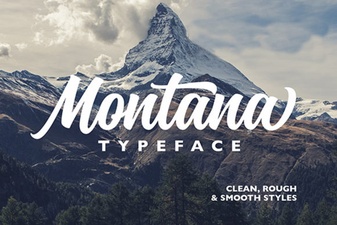 Montana Font Style for Modern Projects
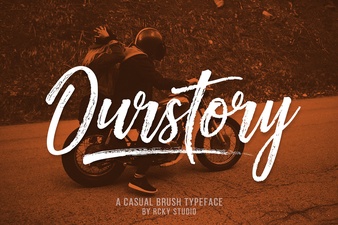 Ourstory Font Duo: Creative Pairings for Web Projects
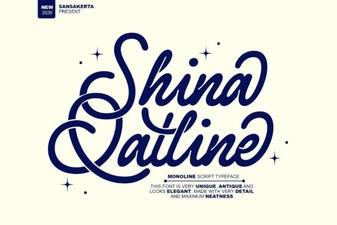 Download the Shina Qatline Font for Your Creative Projects
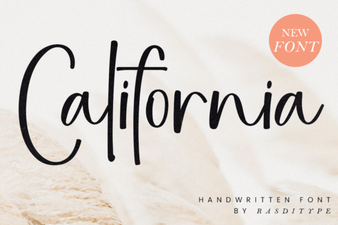 California Font: Design Inspiration & Creative Uses
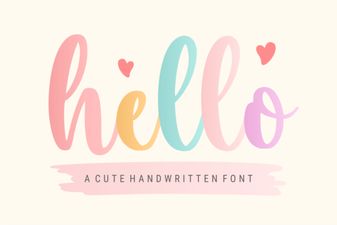 Hello Font: Free Download & Creative Design Uses
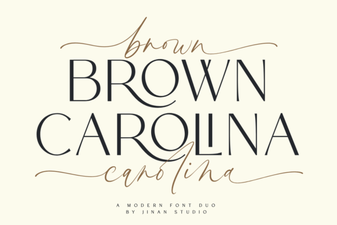 Brown Carolina Duo Font for Creative Design Projects