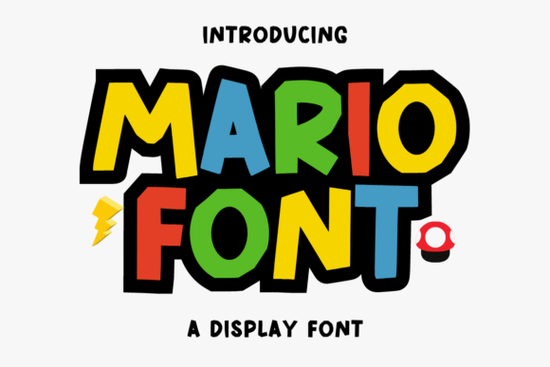
If you're looking for a bold, playful display font that works well on kids’ designs, t-shirts, greeting cards, or social media graphics, the Mario Font fits naturally into many creative workflows. It’s not overly technical or ornate just friendly, confident, and easy to read at larger sizes. You’ll find it especially handy if you’re designing for younger audiences or building lighthearted branding for a small business or craft project.
When does Mario Font work best?
This font shines in contexts where personality matters more than formality. Think birthday party invites with cartoonish energy, printable wall art for nurseries, or custom merch like tote bags and baby onesies. Because it’s designed as a display font not meant for long paragraphs it pairs well with simpler sans-serif or rounded companion fonts for body text.
Designers who’ve used it report success with:
- Children’s book covers and interior illustrations
- Print-on-demand t-shirt slogans and graphic tees
- Digital stickers and Instagram story templates
- Classroom posters and homeschool printables
- Small-batch product labels (e.g., jam jars, bath bombs)
It’s not built for dense copy or legal disclaimers but then again, few display fonts are. That’s why pairing it thoughtfully makes all the difference. For example, try layering Homegoing Font underneath a headline set in Mario for contrast, or use Cute Stories Font for subheadings when designing a themed activity pack.
How does it compare to similar display fonts?
Mario stands out for its balance of weight and friendliness. Unlike ultra-thin script fonts or tightly spaced condensed styles, it has generous spacing and clear letterforms even at smaller display sizes (around 36–48pt). That helps avoid readability issues when printed on fabric or cut from vinyl.
Compared to Steel Font, which leans industrial and structured, Mario feels warmer and more approachable. And while Nebulan Star Typeface adds cosmic flair with decorative glyphs, Mario keeps things grounded ideal if your audience prefers charm over complexity.
It’s also more versatile than some novelty fonts that rely heavily on theme-specific characters (like pizza slices or rocket ships). Mario gives you clean, consistent uppercase and lowercase letters, numerals, and basic punctuation so it adapts across projects without needing extra tweaks.
What file formats and features come with it?
The download includes standard OpenType (.otf) and TrueType (.ttf) files compatible with Cricut Design Space, Silhouette Studio, Canva, Adobe Illustrator, and most major design tools. There are no hidden layers or complex SVG setups required. What you see is what you get: one straightforward, well-hinted font family.
No ligatures, stylistic alternates, or multi-weight variations are included by design. That simplicity means less time troubleshooting and more time creating. If you need heavier or lighter versions, pairing it with a complementary font (like Mario Font itself alongside something like Montserrat or Quicksand) often solves the hierarchy need cleanly.
Real-world tips from crafters and sellers
A few practical notes from users who’ve tested it across platforms:
- Vinyl cutting: Works reliably at 1.5–2mm stroke width no need to outline or simplify paths first.
- DTG printing: Holds up well on light cotton blends, especially when sized 60pt+ and centered on chest prints.
- Canva users: Upload the .ttf file once, then reuse it across templates no re-uploading needed per project.
- Reselling: Check Creative Fabrica’s license terms before bundling into digital kits but personal and small commercial use is covered.
One designer shared how switching from a free “retro game” font to Mario Font improved customer feedback on her Etsy kids’ coloring pages: “People said the letters felt ‘kinder’ and easier for early readers to recognize.” That kind of subtle impact is hard to fake with generic alternatives.
Next step: Try it in context
Before committing to a full collection, open a blank document and type three short phrases: “Let’s Play!”, “Happy Birthday!”, and “Adventure Awaits”. Set them in Mario Font at 72pt, then test how they look beside a simple body font. Notice how spacing, x-height, and character rhythm feel together not just alone.
If it clicks, consider exploring related display fonts like Homegoing Font for earthy themes, or Cute Stories Font for gentle storytelling vibes. But start with what serves your current project and sometimes, that’s simply a bold, cheerful, no-fuss option like Mario.
Download Now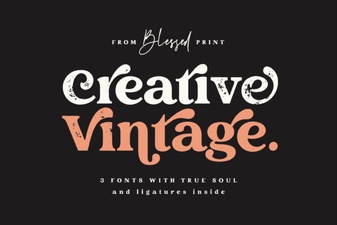 Classic Vintage Fonts for Creative Design Projects
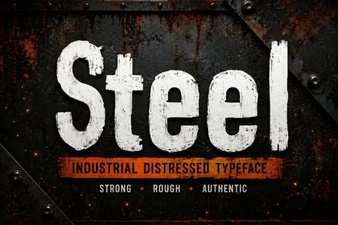 Steel Font Design for Bold Digital Interfaces
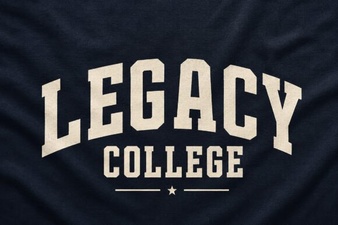 Legacy College Font: Design Tips & Project Ideas
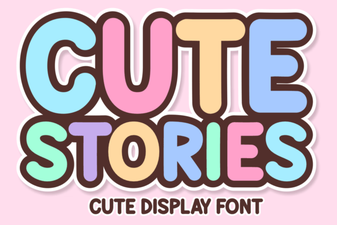 Cute Story Fonts for Your Creative Projects
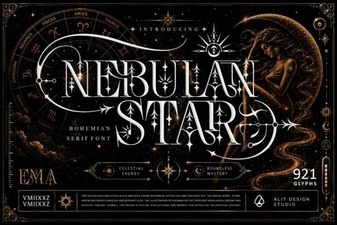 The Nebulan Font: Design for Galactic Projects
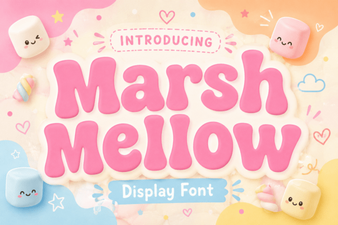 Marshmellow Font: a Playful Typography Guide